Venue
About Delhi
The capital of India, New Delhi, is situated in the national capital territory of Delhi located
in Northern India, at 28.61°N 77.23°E. The NCT covers an area of 1,484 square kilometres
(573 sq mi). Delhi also includes the satellite cities of Ghaziabad,
Faridabad, Gurgaon and Noida in an area known as the National Capital Region (NCR), has
an estimated population of over 28 million, making it the largest metropolitan area in
India and the second-largest in the world (after Tokyo). Two prominent features of the
geography of Delhi are the Yamuna flood plains and the Delhi ridge. The Yamuna River was
the historical boundary between Punjab and UP, and its flood plains provide fertile alluvial
soil suitable for agriculture. New Delhi falls under the seismic zone-IV, making it vulnerable to
earthquakes.
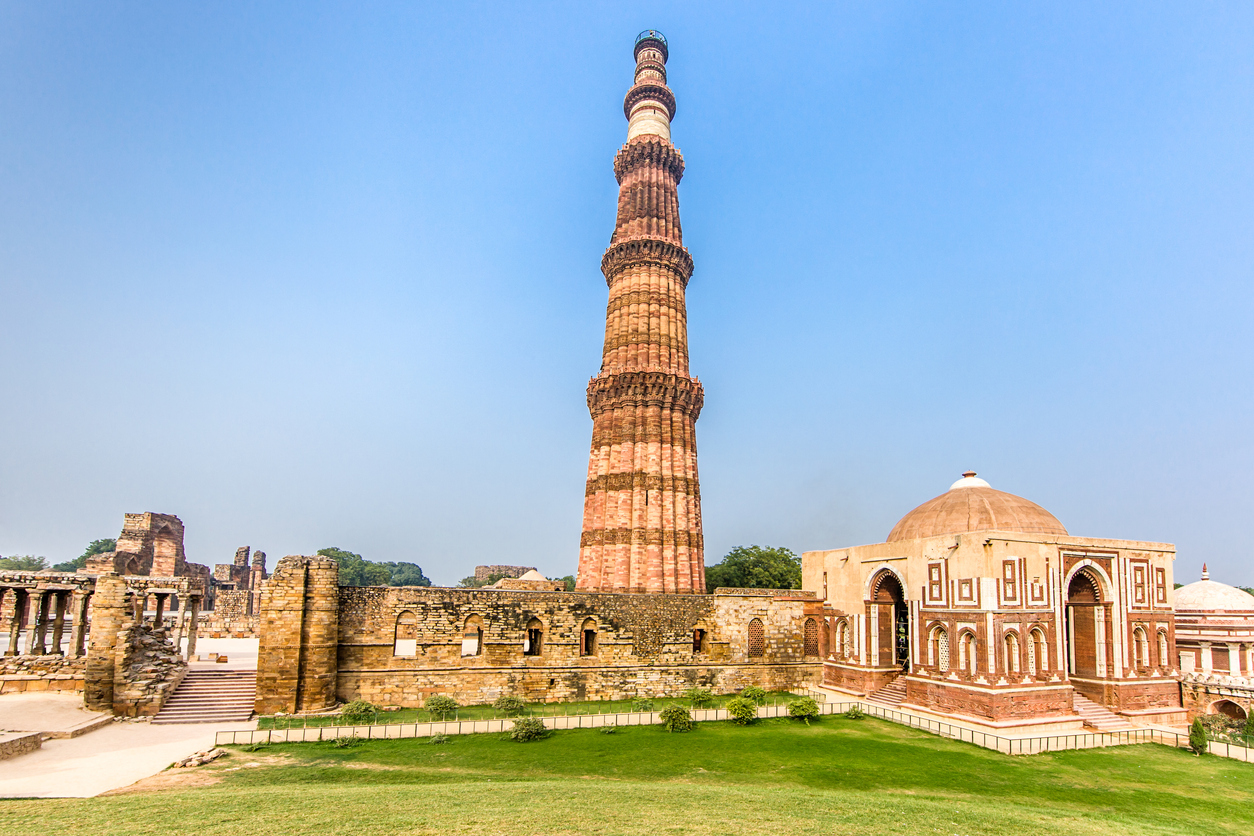
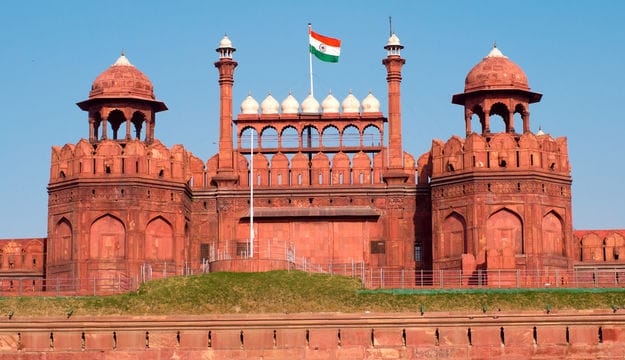
Delhi's culture has been influenced by its lengthy history and historic association as the
capital of India. A strong Punjabi Influence can be seen
in language, dress and cuisine brought by the large number of refugees who came following
the partition in 1947. The Archaeological Survey of India recognises 1,200 heritage
buildings and 175 monuments as national heritage sites.
Weather in Delhi
The climate of Delhi is an overlap between monsoon-influenced humid subtropical and
semi-arid, with high variation between summer and winter temperatures and
precipitation. Delhi oversees the five seasons of spring, summer, monsoon, autumn and
winter. Onset of spring is expected during the conference. The days will be warm, nights cool
with low to moderate humidity and moderate precipitation may be expected. It is advised to
carry light warm clothes for cool nights that may enhance due to precipitation.
Conference Venue
The conference will be organized in the state-of-art conference facilities available at:
National Agricultural Science Complex,
Dev Prakash Shastri Marg,
Pusa campus, New Delhi -110012 India.
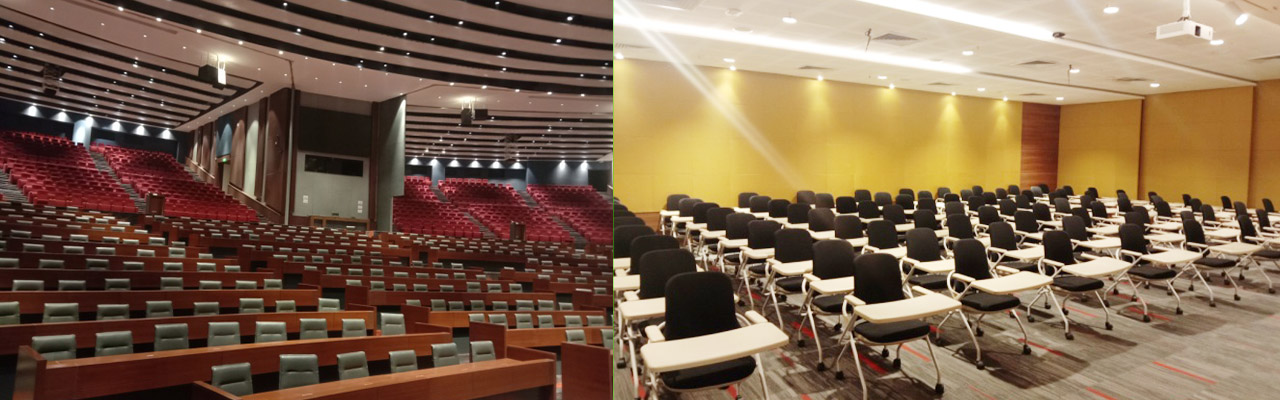
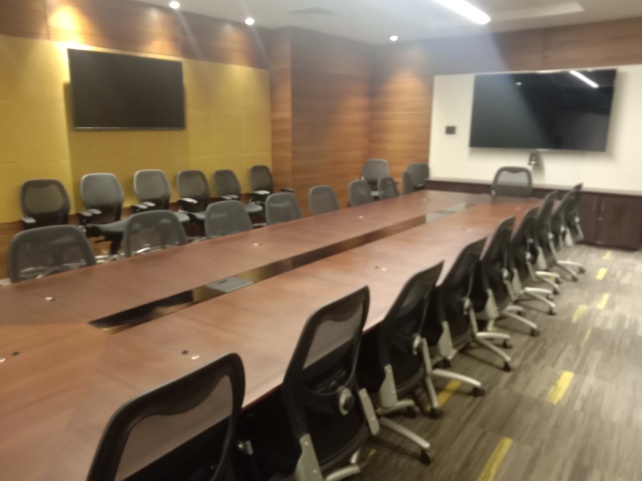
Conference Halls
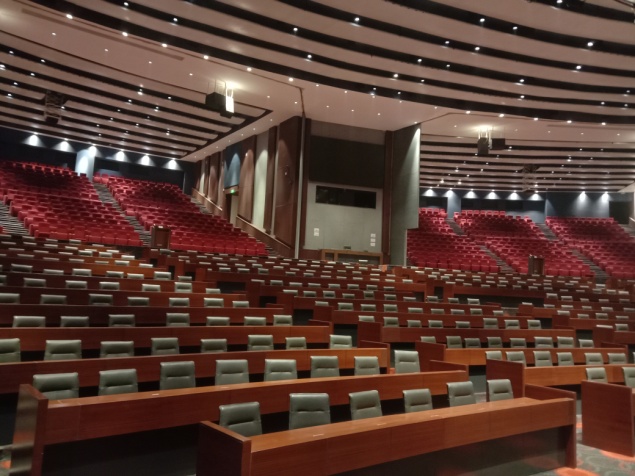
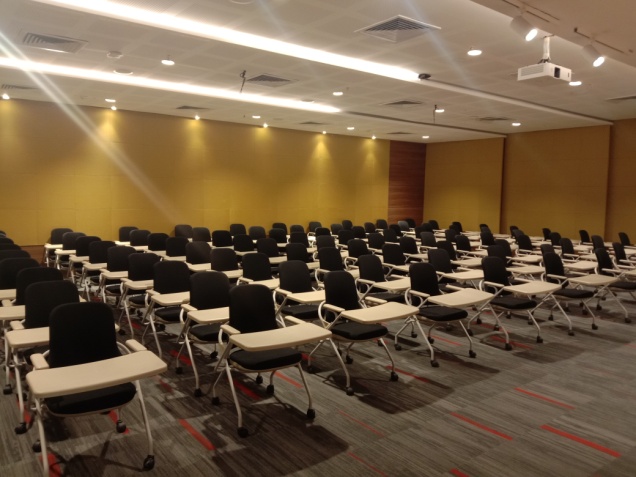
This complex offers state-of-art conferences facilities that rank amongst the best
in capital. Not only does it provide an ideal environment for organizing conferences,
seminars, workshops, meetings and trainings, it also offers an entire set of logistics to support
and enhance these events in a holistic manner. With the added advantage of vast podium
spaces to accommodate large gatherings during lunches or exhibitions, and a guest house for
boarding and lodging of international standards, this is a perfect facility for organizing
international pulses conference.
Travel Information
-
Indira Gandhi International Airport, situated to the southwest of Delhi, is the main gateway for the city's domestic and international civilian air traffic.
- The city has one of India's largest bus transport systems. Buses are operated by the state-owned Delhi Transport Corporation (DTC), which owns the largest fleet of compressed natural gas (CNG)-fuelled buses in the world and Delhi Transit. New Delhi is connected by road to the rest of India through four National highways.
- New Delhi is a major junction in the Indian railway network and is the headquarters of the Northern Railway. The five main railway stations are New Delhi railway station, Old Delhi, Nizamuddin Railway Station, Anand Vihar Railway Terminal and Sarai Rohilla.
- The Delhi Metro is a rapid transit system serving Delhi, Faridabad, Ghaziabad, Gurgaon and Noida in the National Capital Region of India.
One can easily reach the venue from the airport, railway station and bus station by metro, taxi and auto rickshaw, alternatively available round the clock.
The approximate fares to reach the venue from railway station and airport using different modes are given below:
| New Delhi Railway Station |
INR 300.00 |
INR 50.00 |
INR 150.00 |
INR 50.00 |
| Indira Gandhi International Airport |
INR 500.00 |
INR 120.00 |
INR 300.00 |
INR 100.00 |